.png)
Construction & Development Full-Service & Excavation Specialists
Pushing The Industry Forward
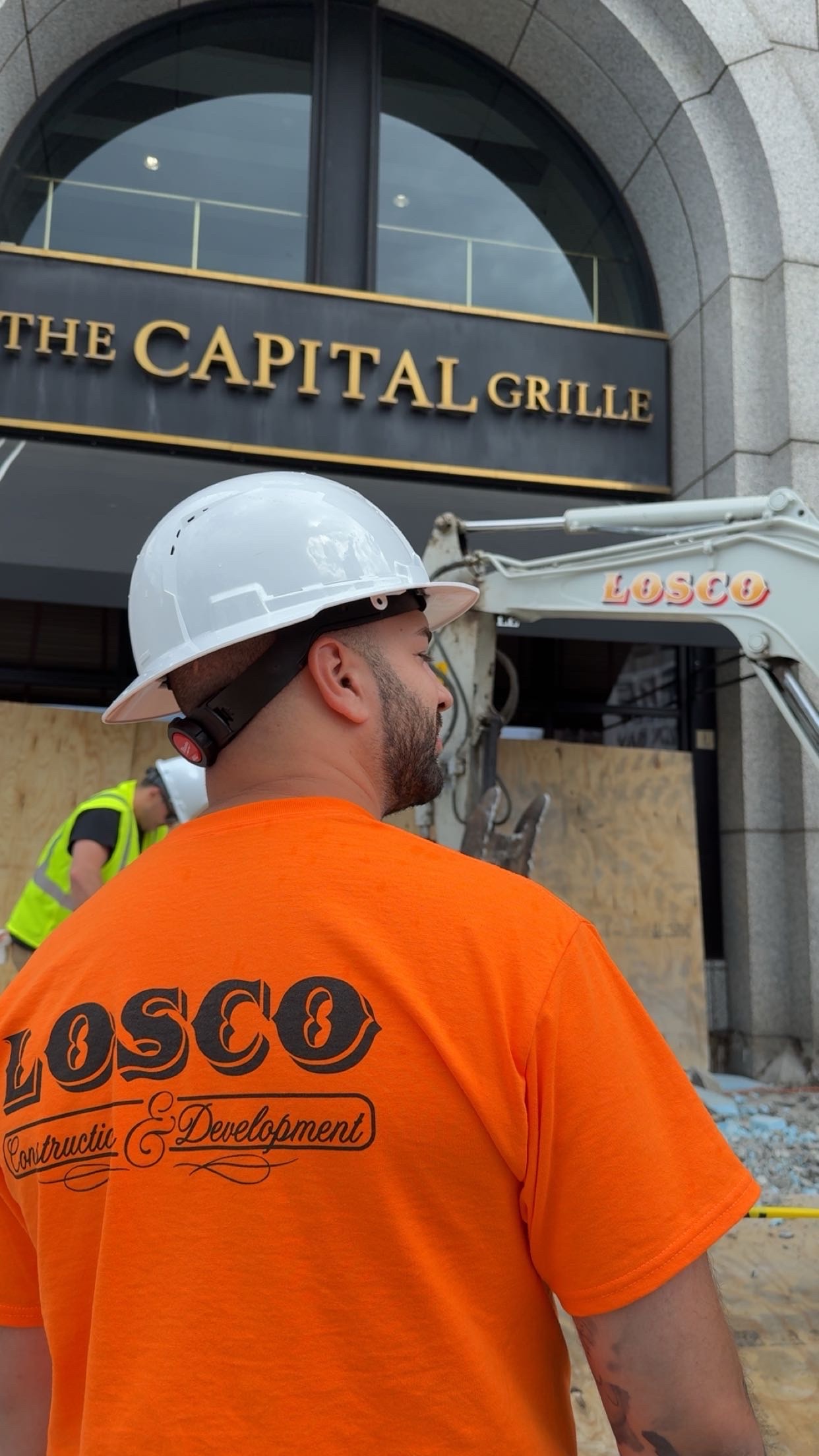
Losco Construction delivers dependable, high-quality residential and commercial construction services. From ground-up builds to renovations and structural improvements, we execute with precision, clear communication, and respect for your investment.
.png)
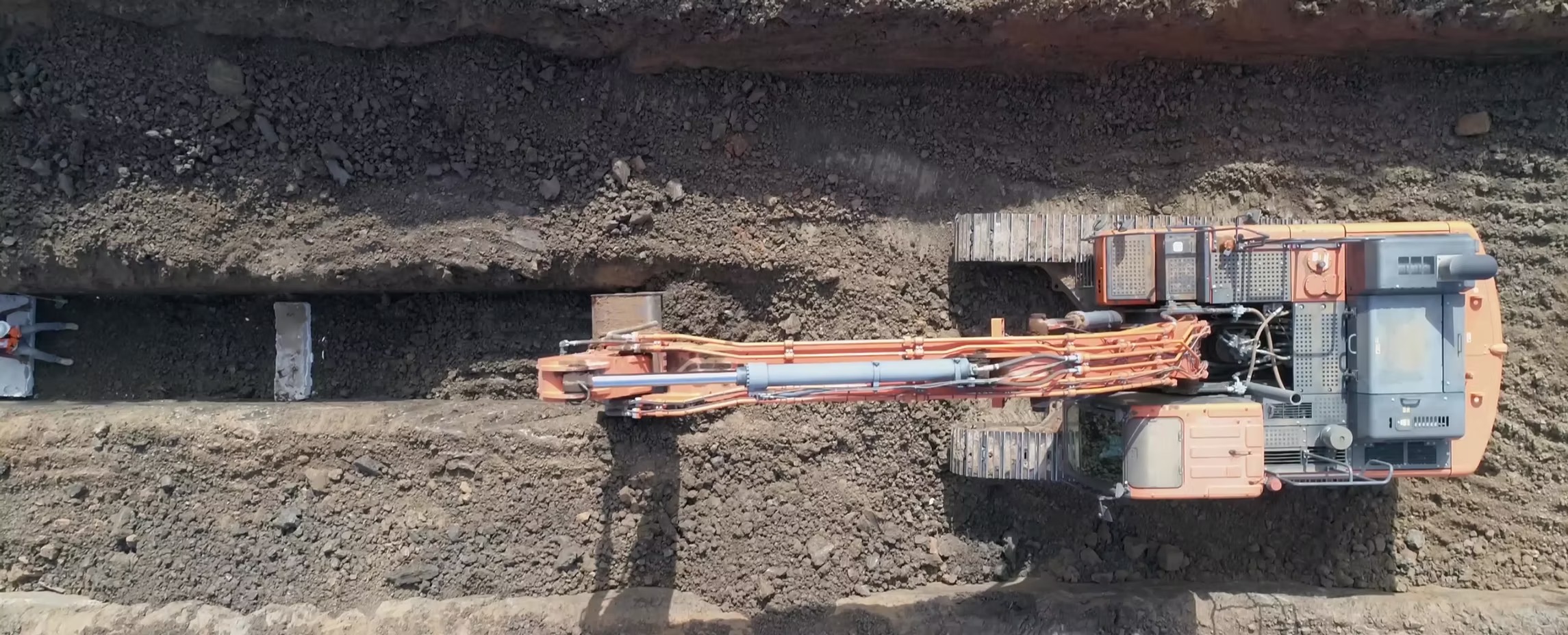
Our Attention to Detail is Unmatched As Moving The Earth Is No Small Task
Every step of the way we ensure is precise.


.png)

.png)




.png)
FAQs
Excavation Tips for Success
Successful excavation requires careful planning and execution. It's important to assess the site thoroughly, choose the right equipment, and follow safety protocols. Additionally, consulting with professionals can help ensure the project runs smoothly.
Best Practices
- Plan Ahead: Create a detailed plan before starting work.
- Choose the Right Equipment: Select machinery suited for the job.
- Consult Experts: Seek advice from experienced professionals when needed.
Foundation Inspection Process
A foundation inspection assesses the condition of a building's foundation to identify any issues that may require attention. Inspectors look for signs of settling, cracking, and moisture intrusion, which can indicate underlying problems.
Inspection Steps
- Visual Assessment: Checking for visible cracks and signs of damage.
- Leveling Tests: Ensuring the foundation is level and stable.
- Moisture Testing: Identifying areas of moisture intrusion that could affect stability.
Excavation Equipment Overview
Excavation projects utilize various types of equipment to efficiently remove earth and prepare sites. Common machinery includes excavators, bulldozers, and backhoes, each serving specific functions in the excavation process.
Types of Equipment
- Excavators: Versatile machines for digging and lifting.
- Bulldozers: Used for pushing large quantities of material.
- Backhoes: Ideal for digging and loading in tight spaces.
Excavation Permits Overview
Yes, excavation projects often require permits to ensure compliance with local regulations. These permits help manage safety, environmental impact, and land use. It's essential to check with local authorities before starting any excavation work.
Permit Requirements
- Local Regulations: Each area may have different requirements.
- Environmental Considerations: Protecting local ecosystems may necessitate additional permits.
- Utility Notifications: Informing utility companies before excavation is crucial.
Foundation Repair Process
Foundation repair involves assessing the damage and implementing solutions to restore stability. Common methods include underpinning, slab jacking, and wall anchors. Each method is chosen based on the specific issues present.
Repair Techniques
- Underpinning: Strengthening the foundation by extending it deeper.
- Slab Jacking: Raising sunken concrete slabs using hydraulic jacks.
- Wall Anchors: Stabilizing bowing walls with anchors.
Understanding Excavation Costs
The cost of excavation services can vary based on several factors, including the size of the site, the type of soil, and the complexity of the project. Additional costs may arise from the need for specialized equipment or permits.
Cost Considerations
- Site Size: Larger sites typically require more time and resources.
- Soil Type: Rocky or unstable soil may increase costs.
- Project Complexity: More complex projects may require additional planning and labor.
Excavation Safety Protocols
Safety is paramount during excavation projects. Workers must wear appropriate personal protective equipment (PPE) such as hard hats, gloves, and steel-toed boots. Additionally, proper training and adherence to safety regulations are essential to prevent accidents.
Common Safety Practices
- Site Assessment: Evaluating the site for hazards before work begins.
- Shoring: Supporting trench walls to prevent collapses.
- Utility Location: Identifying underground utilities to avoid damage.
Understanding Foundation Services
Foundation services are crucial for ensuring the stability and longevity of a structure. This includes the design, excavation, and construction of the foundation. A well-built foundation supports the weight of the building and prevents settling or shifting over time.
Foundation Types
- Slab Foundations: A flat concrete slab poured directly on the ground.
- Basement Foundations: A deeper foundation that includes a basement space.
- Crawl Space Foundations: Elevated foundations that allow for ventilation and access to plumbing.
Excavation Services Explained
Excavation services involve the removal of earth, rock, or other materials from a site to prepare for construction. This process is essential for laying foundations, creating trenches, and ensuring proper drainage. Excavation can be performed using various equipment, including excavators, bulldozers, and backhoes.
Types of Excavation
- Site Excavation: Preparing the land for construction.
- Trenching: Digging narrow trenches for utilities.
- Grading: Leveling the ground for proper drainage.